|
Rocky Mountain National Park
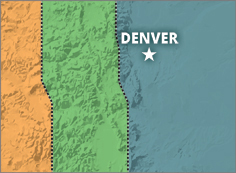
(Click to see a map of Rocky Mountain National Park here)
Attracting more than 3 million visitors each year, Rocky Mountain National Park is one of the country's most frequently visited national parks. The park ranges in elevation from 8,000 feet in the wet grassy valleys to 14,259 feet at the top of Longs Peak. Established on January 26, 1915, Rocky Mountain National Park is a living showcase of the grandeur of the Rocky Mountains. A visitor to the park has opportunities for countless breathtaking experiences and adventures.
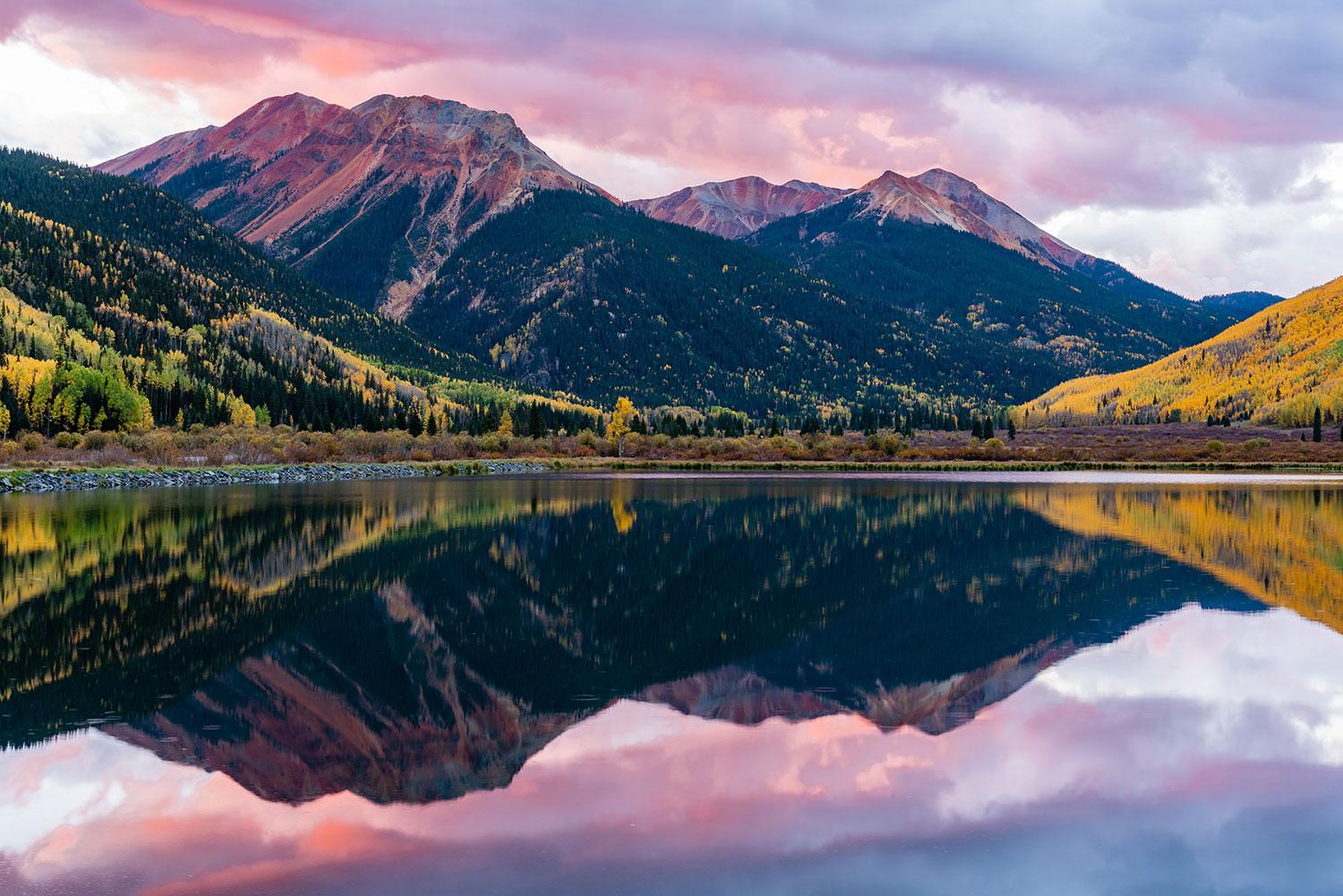
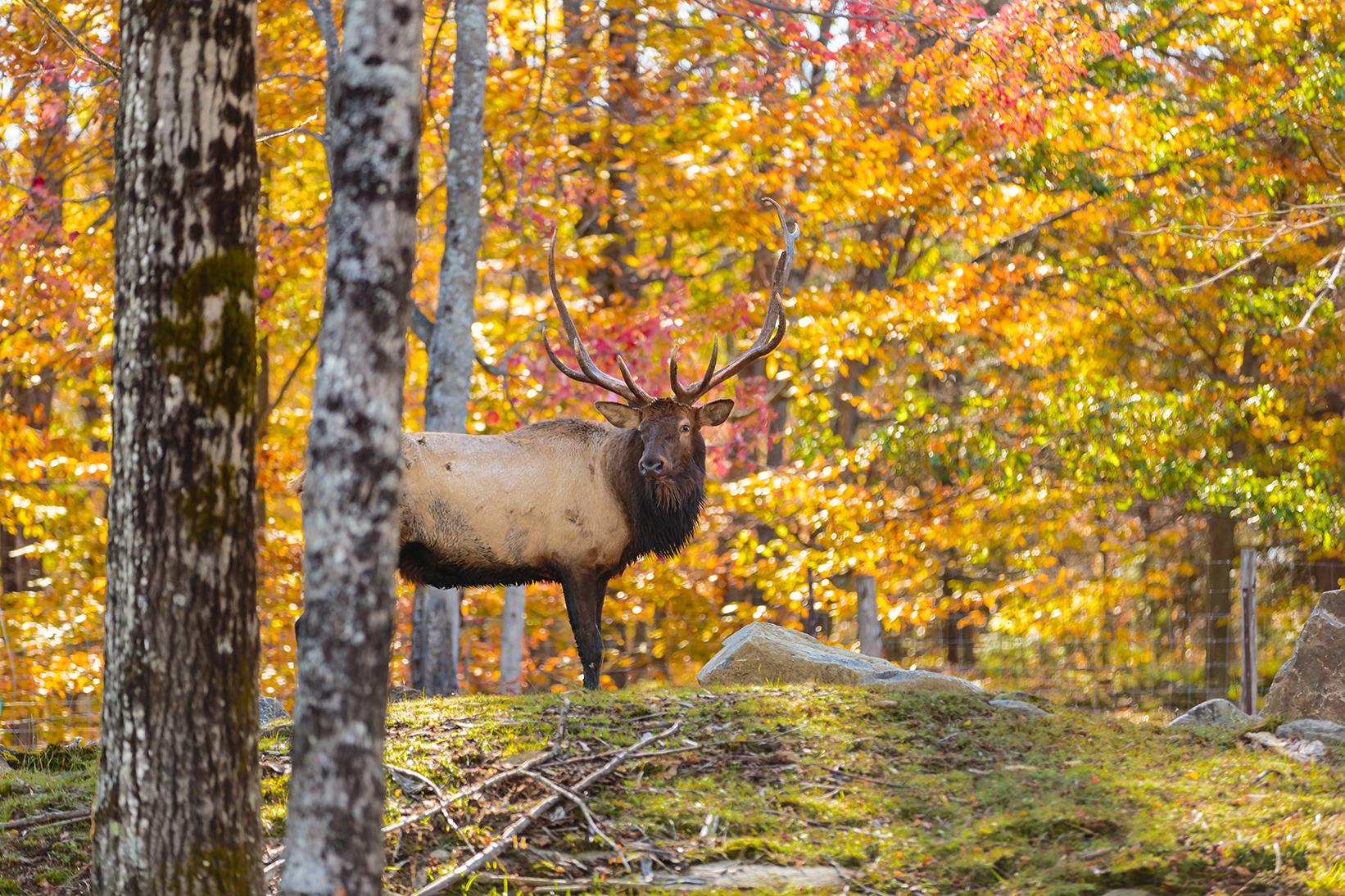
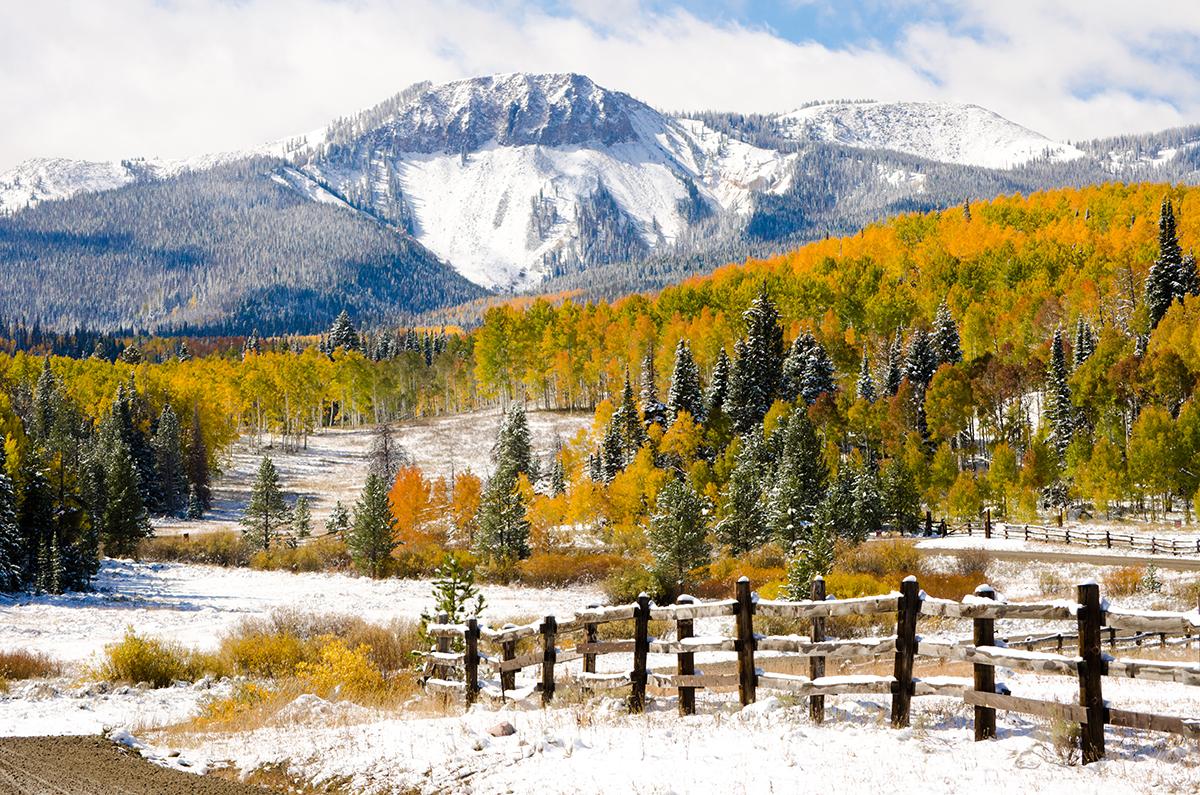
Although the great peaks comprise the essence of the park, the delicate alpine flowers, clear lakes, rushing mountain waters, and impressive forests appeal to all the senses. An array of wildlife- bighorn sheep, ptarmigan, coyote, and elk add life to the landscape. Wildflower lovers are never disappointed in June and July when the meadows and hillsides are splashed with botanical color. Autumn visitors can relax among the golden aspens or enjoy the rowdier antics of the elk rut (mating season).
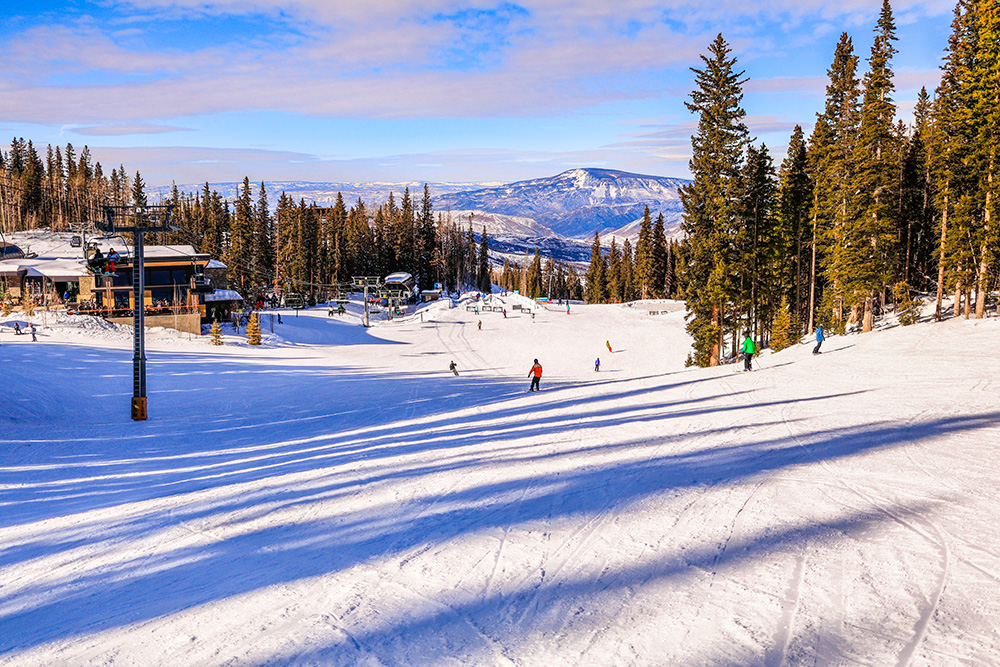
The wide variety of elevations and habitats create a choice of activities for visitors. Endless opportunities are available to hikers, backpackers and horse back riders on over 355 miles of trail. Fly fishers, bird watchers and photographers discover the splendor that they traveled to find. During the winter, snowshoers and cross-country skiers revel in the white-blanketed tranquility of meadows and forests. Rocky Mountain National Park offers many ways to experience nature and all its beauty.
Hiking At least 60 peaks rise above 12,000 feet challenging intrepid hikers and climbers.
Rocky Mountain National Park has over 355 miles of trails. These range from flat lakeside strolls to quite steep peak climbs. Anyone visiting between Memorial Day and late autumn can see many of these peaks eye-to-eye by driving over Trail Ridge Road. Topping out at 12,183 feet, this is the highest, continuous, paved road in the United States.
If you are new to the park, rangers at the visitor centers and backcountry office can provide advice on trails that are appropriate for different fitness and experience levels. As you plan your hike, keep in mind that park elevations range from 7,500 to over 12,00 feet. Even very fit individuals coming from lower elevations may experience altitude problems. Symptoms include headaches, shortness of breath, insomnia, and rapid heartbeat. After a few days your body will have made some physiological adjustments to higher elevations, but full acclimation may take a week. To minimize symptoms drink plenty of fluids, avoid alcohol, don't skip meals, and get plenty of rest.
Ultraviolet light is stronger in the mountains because there is less atmosphere for the sunlight to pass through. Wear sunscreen, a hat, sun glasses, and consider covering up with a long sleeved shirt if you are out in the sun for extended periods.
If you have never hiked before or are traveling with children, check out the recommended accessible trails. Ranger-led walks are free and can increase your confidence while you learn more about the park. Rocky Mountain National Park is a great place to discover how traveling by foot brings you closer to nature.
Camping
Front-country and backcountry campers have hundreds of campsites to choose from.
There are five drive-in campgrounds in the park open during the summer. Three of which are open in winter. Group camping is available in some areas. Two campgrounds, Moraine Park and Glacier Basin take reservations. Other park campgrounds are first-come, first-served, and fill on most summer days. None of the campgrounds have electric, water, or sewer hookups at the camping sites.
Stay limits of seven nights are in place from June 1st through September 30th. The limits extend to an additional 14 nights at the year-round campgrounds throughout the rest of the year. For further information, call 800-365-CAMP (2267).
Backcountry camping provides an exhilarating escape by allowing people to immerse themselves in an environment where they can have an opportunity to truly understand and appreciate nature's beauty & natural value.
The first step in planning your trip is to decide where you want to camp and for what length of time. As you plan your trip, take into consideration the physical condition of the least experienced member of your party, and the distance and elevation gain from the trailhead to your destination.
Do you want to be near rivers or lakes, waterfalls or glaciers, around people or not, at the foot of the mountains looking up or the bottom of the mountains looking down?
Keep in mind that Rocky Mountain National Park is a high elevation park. It will take several days to become acclimated at this elevation if traveling from sea level. If your body is not acclimated you can get Acute Mountain Sickness, otherwise known as Altitude Sickness. The rule of thumb is to give yourself three days to acclimate before beginning your Back Country journey.
You must have a backcountry permit to camp overnight in Rocky Mountain National Park's back- country. You can pick one up at the Headquarters Backcountry office (beside the Beaver Meadows Visitor Center on Highway 36 west of Estes Park). To minimize impact on the park's resources, the number of permits issued is limited.
There are many excellent resources on backcountry hiking and camping. Take the time to learn Leave No Trace principles, how to backpack safely, and how to care for the environment. Always remember this is your park. Its 269,723 acres are a resource for not only you, but for many future generations to come.
|
|